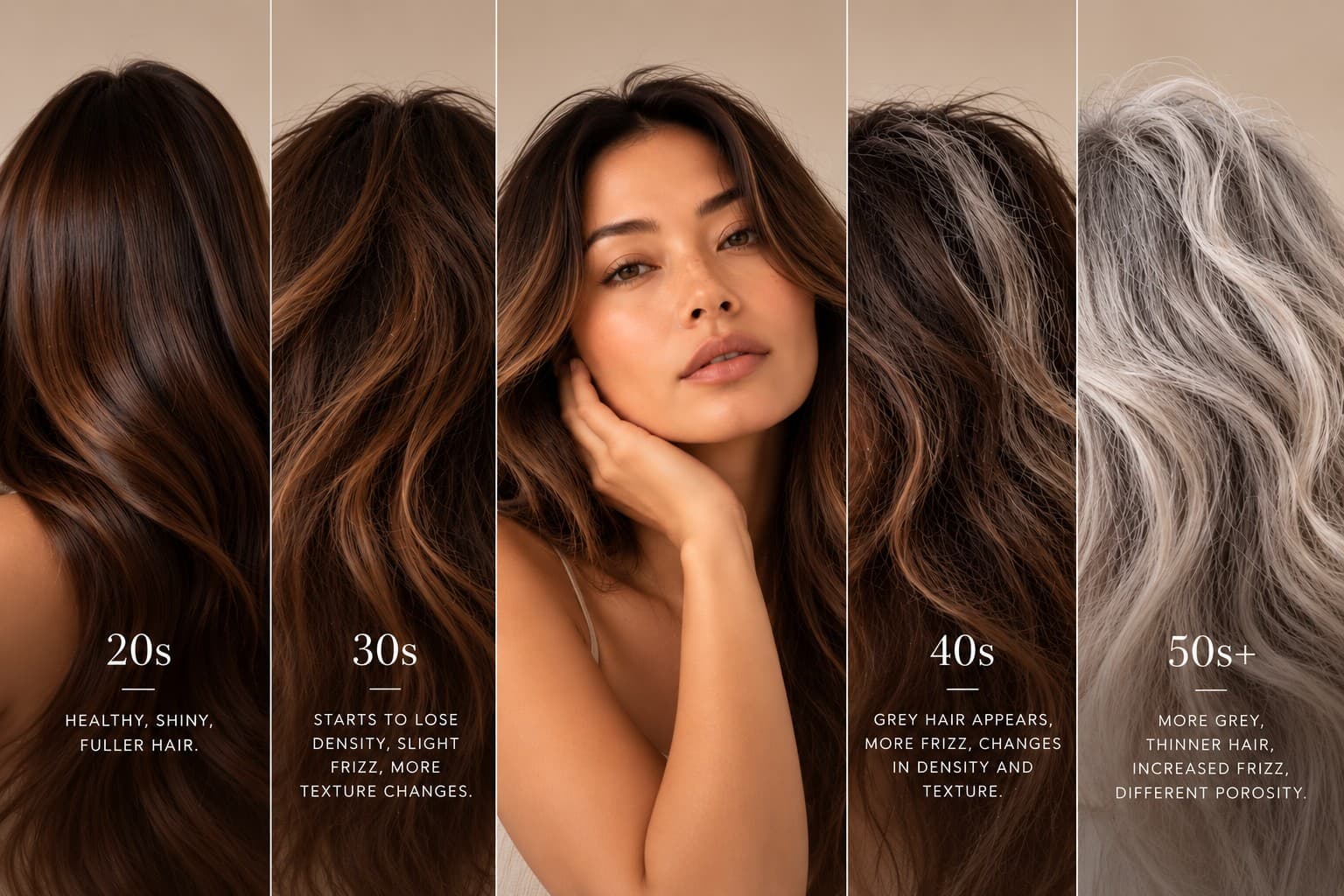
How Ageing Affects Hair Texture
Ageing is often accompanied by changes in hair texture and density. As one ages, the production of natural oils decreases, leading to drier and potentially coarser hair. Moreover, grey hair is usually more fragile and wiry due to cuticle changes that reduce moisture retention. To maintain hair health and manage texture changes, consider incorporating hydrating treatments and gentle styling practices.
Hormonal Changes and Their Impact on Hair
Hormonal fluctuations, particularly those occurring during pregnancy, menopause, or thyroid imbalances, can significantly impact hair growth and texture. These changes may result in hair becoming thinner, or conversely, appearing fuller. If you suspect hormonal shifts are affecting your hair, it's wise to consult with a healthcare professional for guidance.
Assessing the Hair’s Chemical History
Frequent chemical treatments, such as dyeing or relaxing, can alter the behaviour of hair over time. Chemical processes often lead to dryness and can weaken hair strands, resulting in increased breakage. To counteract these effects, regular conditioning and protective treatments are crucial. For extensive chemical treatments, explore options like Nanoplasty vs Hair Botox which can provide nourishing benefits.
The Role of Heat Styling and Everyday Practices
Repeated exposure to heat tools can lead to damaged cuticles, causing hair to become brittle and lose its natural elasticity. Using professional heat protectants and implementing periods of no heat styling can help restore your hair's natural vibrancy and strength. For more insights into this, consider reading How Heat Protectant Works.
Adjusting Hair Care Routines
As hair evolves, so too should the care routines. Opt for shampoos and conditioners that cater to your current hair needs, whether that's increased moisture, volume, or colour protection. Regular trims to remove split ends and promote healthy growth can also be beneficial.
In conclusion, understanding the reasons behind changes in hair behaviour can assist in choosing the right approach to care for it. By adapting hair routines accordingly, one can maintain the health and appearance of their hair throughout various life stages. For more hair tips, visit liahansonhair.com.au.